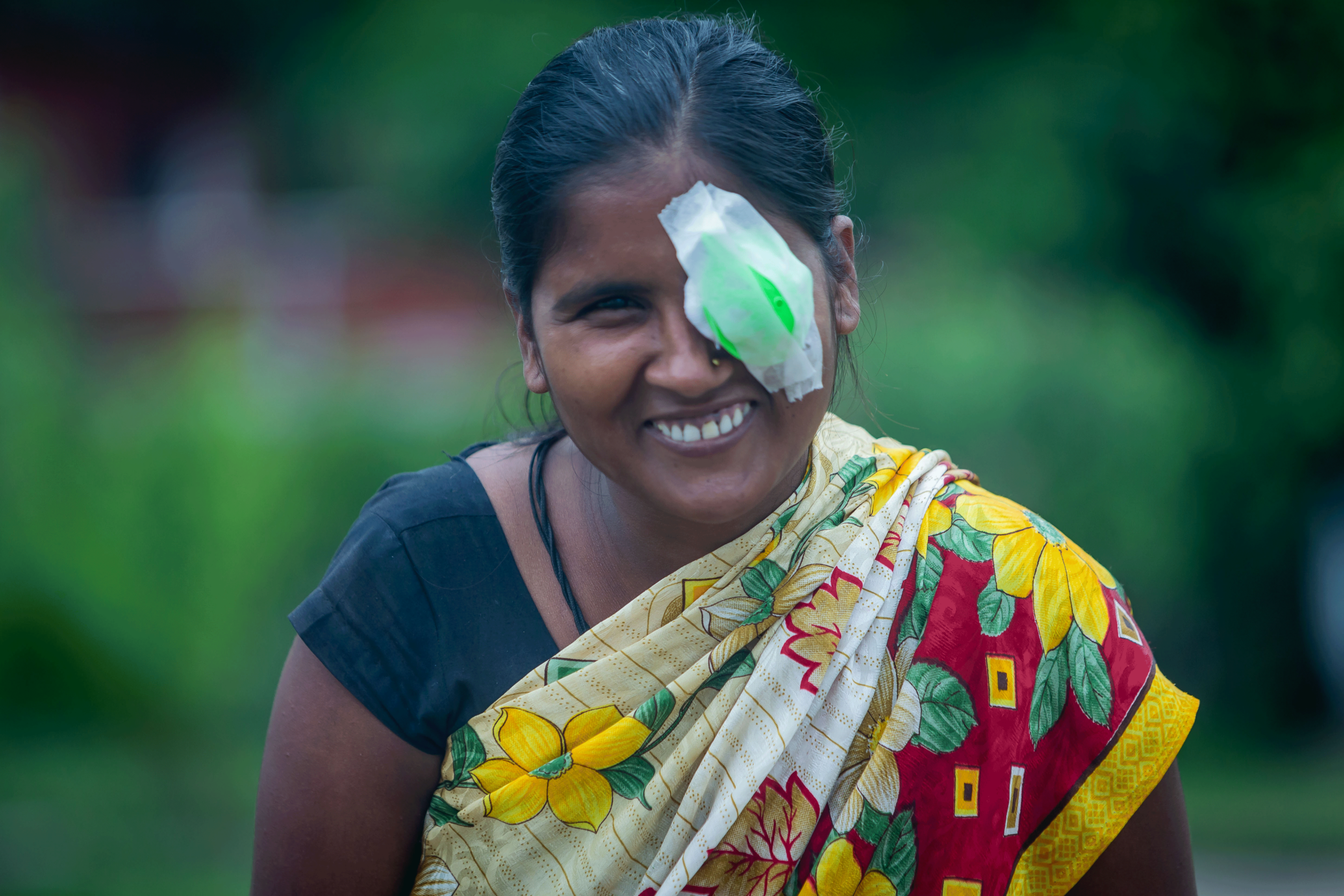
Any form of blindness, or visual impairment, which can be reversed or prevented, is preventable blindness. Cataract blindness, despite being treatable via surgery, accounts for a majority of the world’s preventable blindness.
Sadly, almost 90% of the world’s cataract blind live in the developing world – imagine the impact we would be able to make if we were united in our efforts to cure these 90%?
4 out of 5 cases of blindness are preventable.
Cataract is the leading cause of preventable blindness.
90% of the world’s cataract blind live in the developing world.
The economic cost of preventable
blindness?
Blindness usually does not affect only one person – because blindness increases dependency, it affects an entire household. Providing care to the blind leads to a huge economic cost.
Investment in prevention of cataract blindness can lead to an investment return of up to 1500% in one year.
The social cost of preventable
blindness?
Blindness, along with visual impairment, also leads to social discrimination – especially within the already marginalized and vulnerable sections of society.
Children:
Many schools in the developing world do not have access to study materials for the visually impaired. Therefore, children who suffer from congenital cataracts, if not cured in time, will have to lead a life of not only visual darkness – but also will be denied an opportunity to lead a life of social inequality.
Women:
Within the working population, women are often deprived of access to surgery in omparison to men, making it a discriminatory practice. Women living with cataract blindness are often subjected to other forms of social discrimination – such as being abandoned by husbands, social ostracization, to name a few.
Elderly:
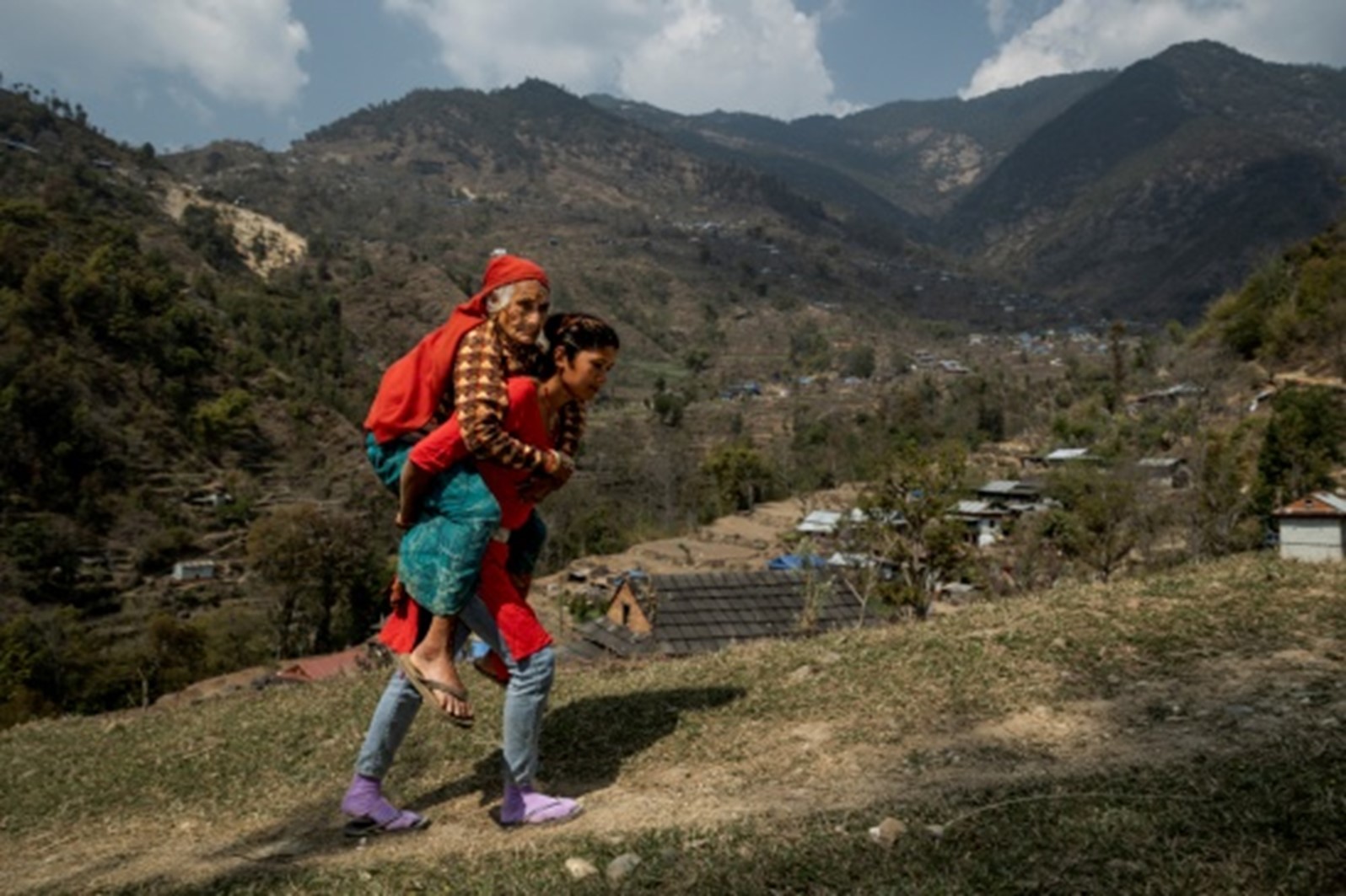
Very often, the elderly of the developing world, already perceived to a burden in many instances, are further impacted by blindness.